Jakarta's Mixed-Use Boom
Why Integrated Developments Are the Future of Urban Living
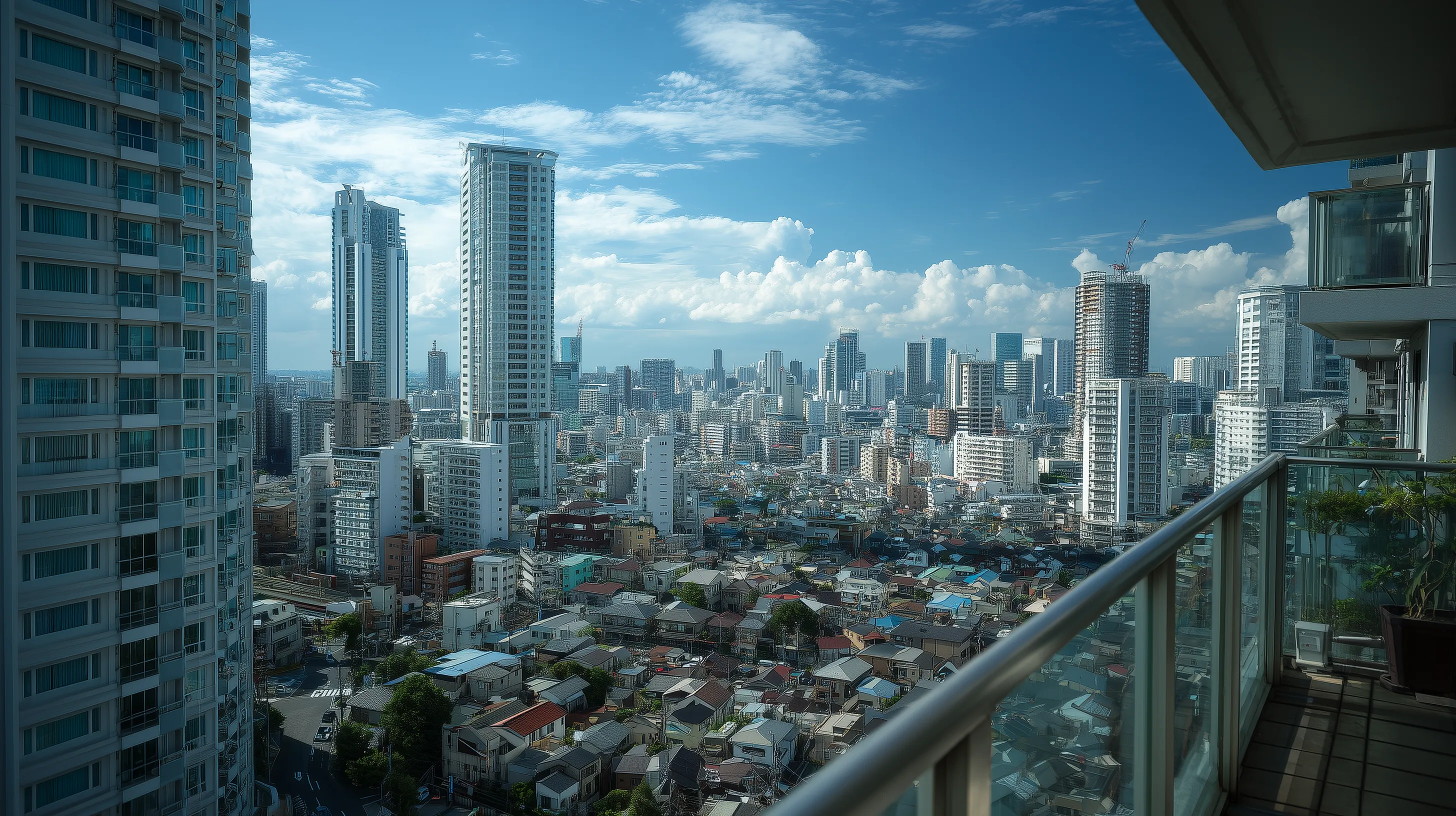
The way people want to live in Jakarta is changing. It's not about massive sprawling residential complexes anymore. It's about mixed-use developments where you can live, work, shop, and relax without leaving the property.
The data backs this up. In 2024, condominium buyers increasingly preferred projects in prime locations within mixed-use developments offering connectivity to public transport. It's not a luxury preference—it's becoming standard expectation. People are voting with their wallets, and developers are listening.
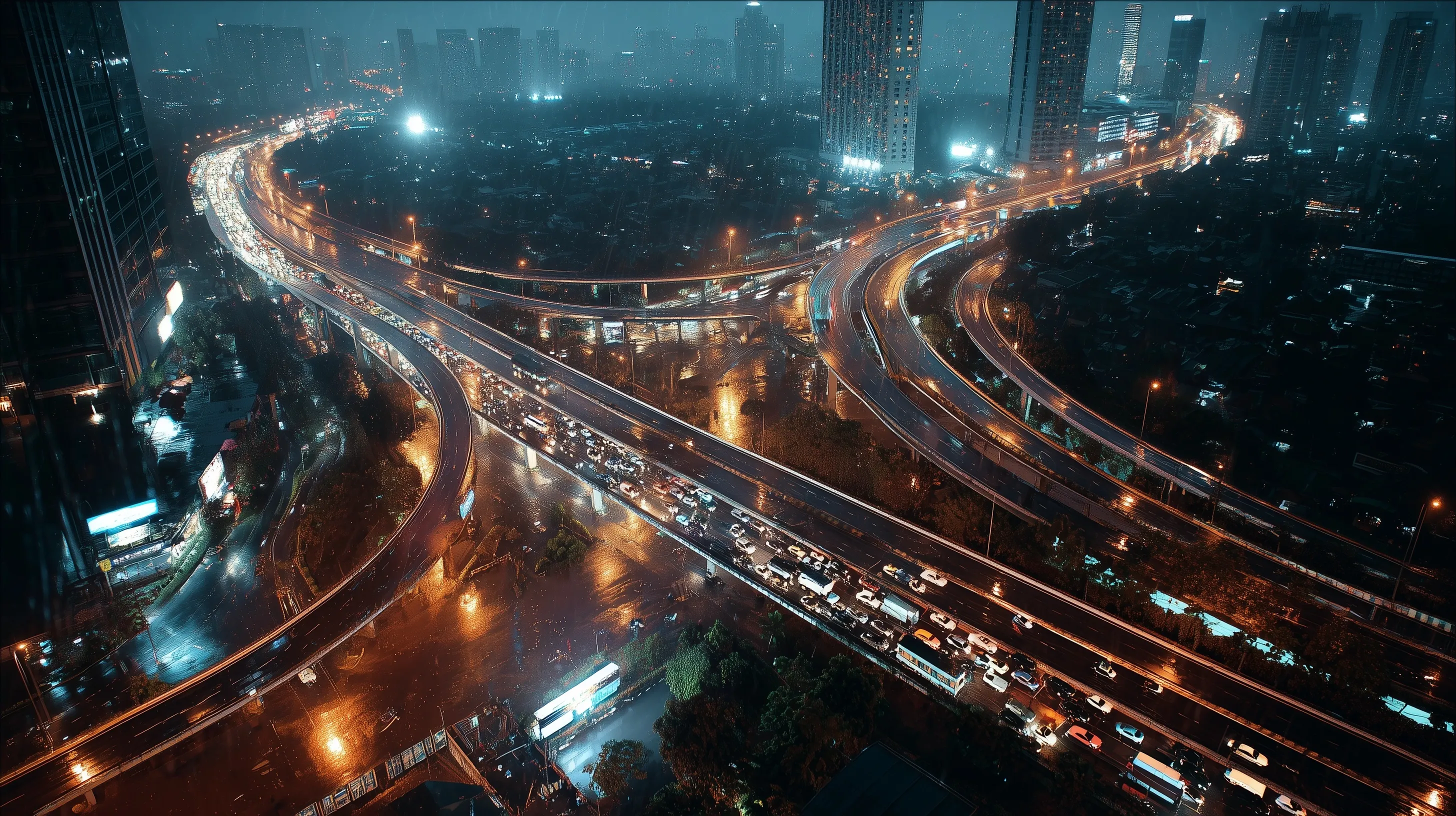
What makes this trend important? Time. Commutes are brutal in Jakarta. When you can live where you work, or at least dramatically shorten your travel time, it changes your entire quality of life. A mixed-use development where your office is 10 minutes away from home, your gym is in the building, restaurants are on the ground floor, and your kids' school is nearby—that's not a selling point anymore. That's what people expect.
New unit launches increased 18% in the first half of 2024 compared to the same period the previous year. More importantly, the composition of these launches shifted toward affordability and sustainability. Developers understood the market changed. People don't want just a nice apartment. They want a nice apartment that doesn't crush their wallet. They want green-certified buildings that don't generate guilt about their environmental footprint.
The infrastructure story ties directly into this. When the Cimanggis-Cibitung Toll Road completed in 2024, it didn't just improve traffic flow. It made properties along that corridor suddenly more accessible from multiple directions. Office workers could live further out but still commute quickly. That's exactly the kind of connectivity mixed-use developments need to thrive.
Jakarta's retail sector shows strong appetite from entertainment and supermarket tenants looking for locations in mixed-use properties. F&B and fast fashion continue to demand prime mall spaces. Why? Because mixed-use developments have built-in foot traffic. Your residents are your customers. Your office workers are lunch crowd. Your hotel guests are dining clients. It's an ecosystem.
The financial sector is responding to this too. Bank financing for home purchases grew 58% in Q4 2024. That's individual families accessing mortgages, which means they're committing to specific properties. They're looking for value and they're finding it in mixed-use developments where one building answers multiple lifestyle needs instead of forcing them to choose.
For developers, this is a crucial moment. Building residential-only projects feels outdated now. The margin opportunity is in creating value through integration. A resident who can grab coffee, go to the gym, attend a business meeting, and grab dinner all without leaving the property is a satisfied customer who stays longer and pays better.
For investors considering real estate in Jakarta, mixed-use developments offer something residential-only projects don't: diversified revenue streams. Residential rent, commercial lease income, retail tenancy, hotel occupancy—it's a portfolio all in one place. That kind of diversification reduces risk and creates more stable, long-term returns.
The future of Jakarta urban real estate isn't about choosing between residential, commercial, or hospitality. It's about integrating them intelligently. The market is already moving this direction, and developers who understand this are positioning themselves for the growth phase that's coming through 2025 and beyond.